
The Essential Guide to Successful Product Discovery and Design
How to Build User-Centric Products with Effective Product Discovery
Hyrdle Team
Management Consultancy
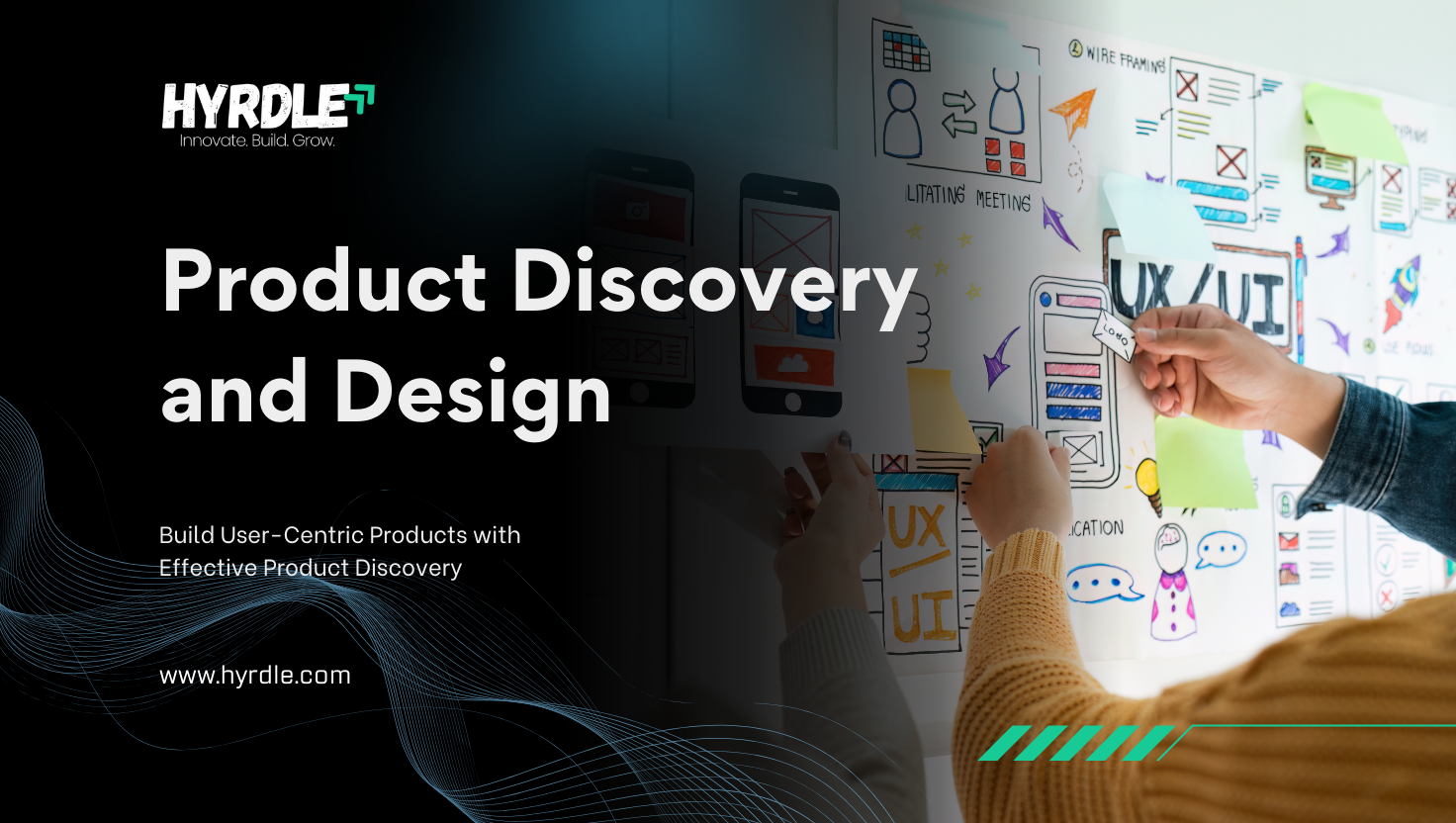
Creating a successful product starts with a deep understanding of user needs, market demands, and intuitive design principles. Many businesses fail because they skip product discovery. The critical phase that ensures they build the right product for the right audience.
This guide walks you through the essential steps of product discovery and design, including best UX/UI practices and actionable tips to create user-friendly, scalable, and market-driven products.
---
1. What is Product Discovery? Product discovery is the initial phase of product development where teams explore:
- User needs and pain points
- Market trends and competitor analysis
- Business goals and product feasibility
The goal of product discovery is to validate ideas before development and ensure that what is built solves real problems for users.
---
1.1 Why Product Discovery Matters
Skipping product discovery can lead to:
❌ Wasted resources on unnecessary features**
❌ Low user adoption due to poor user experience** ❌ Missed business goals and market misalignment**
✅ Example: Airbnb’s early prototype validated its concept before launching, avoiding costly mistakes.
---
2. The Product Discovery Process: Key Steps
2.1 Identifying User Needs & Pain Points
To build a user-friendly product, you must first understand who your users are and what problems they face.
💡 How to identify user needs:
- Conduct interviews and surveys to gather insights
- Analyze user behavior through heatmaps and analytics tools
- Define a clear problem statement for clarity
✅ Example: Spotify’s user research revealed that users wanted better music discovery, leading to the creation of AI-powered playlists.
---
2.2 Market Research & Competitive Analysis
Studying the competition helps identify gaps and opportunities in the market.
📌 Key research steps:
1. Analyze top competitors and their features
2. Identify user complaints from reviews 3. Explore emerging industry trends
✅ Example: Slack studied team communication pain points before designing its collaboration-first interface.
---
2.3 Defining Product Goals & Business Objectives Successful products align with both user needs and business goals.
📊 Steps to define goals:
- Establish KPIs (Key Performance Indicators)
- Ensure the product supports long-term business strategy
- Focus on measurable outcomes
✅ Example: Uber set a clear goal to reduce wait times for riders, influencing its early app design decisions.
---
2.4 Ideation & Brainstorming Solutions
Creative brainstorming sessions help generate potential solutions before development begins.
🛠️ Best practices for ideation:
- Use design thinking workshops
- Prioritize features based on user impact and feasibility
- Create low-fidelity wireframes for initial validation
✅ Example: Google’s Gmail team conducted extensive brainstorming before launching features like Smart Reply.
---
2.5 Prototyping & User Testing
Before developing a final product, creating prototypes and conducting user testing ensures usability.
📌 Steps for effective prototyping:
1. Build interactive prototypes using tools like Figma or Adobe XD
2. Conduct usability testing with real users 3. Iterate based on feedback and behavior analysis
✅ Example: Instagram refined its photo-sharing flow after extensive user testing, making it highly intuitive.
---
3. UX/UI Best Practices in Product Design
3.1 User-Centric Design Principles
A great product puts users at the center of the design process.
🎯 Key principles:
- Keep navigation simple and intuitive
- Design with accessibility in mind (contrast, font size, screen readers)
- Ensure a consistent and visually appealing UI
✅ Example: Apple’s design philosophy focuses on **minimalism and seamless user experience, setting industry standards.
---
3.2. Wireframing & Prototyping Best Practices
Wireframes help map out the product’s structure and flow before development.
🎨 Best practices:
- Start with low-fidelity wireframes for initial layouts
- Progress to **high-fidelity prototypes for detailed interactions
- Use tools like Sketch, Figma, or Axure
✅ Example: Airbnb’s wireframing process refined its booking experience for better usability.
---
3.3. Usability Testing & Feedback Loops
Testing ensures your product is intuitive and meets user expectations.
🔍 Best practices for usability testing:
- Conduct A/B tests to compare different designs
- Gather real user feedback through surveys and analytics
- Iterate based on user behavior insights
✅ Example: LinkedIn constantly A/B tests new features before rolling them out to all users.
---
4. Tips for Successful Product Discovery & Design Implementation
To ensure a smooth product discovery and design process, follow these key tips:
✅ Foster cross-functional collaboration between designers, developers, and stakeholders ✅ Use data-driven decision-making to validate product ideas ✅ Continuously iterate based on user feedback and real-world testing ✅ Prioritize user experience (UX) and accessibility from the beginning
---
Conclusion Product discovery and design are crucial for building a successful, user-friendly product. Businesses that invest in UX/UI best practices and continuous user feedback** create products that truly resonate with their audience.
💡 Key Takeaways: ✅ Research-driven product discovery leads to better product-market fit ✅ User-centric design principles improve usability and adoption ✅ Prototyping and testing reduce development risks
By focusing on structured product discovery and effective UX design, businesses can build products that stand out in competitive markets. 🚀
Not sure where your technology stands? Find out in 2 minutes - free.